1. Introduction(The Future of Ecommerce and Online Shopping in 2026)
When I look at where ecommerce is heading in 2026, I can’t help but feel like we’re standing on the edge of a major shift. Over the past few years, online shopping has evolved from a convenience into a lifestyle, and now it’s turning into something far more immersive, intelligent, and personalized. As someone who shops online more than I’d like to admit—and works closely with digital brands—I’ve seen firsthand how quickly things change.
But 2026 feels different. It’s not just about faster deliveries or prettier websites anymore. It’s about technology that understands us, experiences that blend the physical and digital worlds, and a new generation of consumers who expect shopping to be instant, sustainable, and tailored to them.
In this article, I’ll walk you through the biggest trends and shifts shaping The Future of Ecommerce and Online Shopping in 2026, based on what I’m seeing across the industry. Grab a coffee—this is going to be fun.
2. What’s Driving Ecommerce Growth in 2026?
Whenever I think about why ecommerce keeps exploding, a few key factors always stand out.
First, we’re more connected than ever. Smartphones aren’t just devices anymore; they’re personal shopping assistants. With faster networks and better apps, buying something online feels almost effortless. I’m constantly amazed by how I can do a full shopping session on my phone in less time than it takes to find my car keys.
Second, social media has turned into one big shopping mall. Whether it’s TikTok trends, Instagram drops, or YouTube unboxings, the path from “I love this” to “I’m buying this” is now just a tap away. And in 2026, this connection between content and commerce is stronger than ever.
Third, digital payments have evolved. From mobile wallets to buy-now-pay-later options, paying online is smoother and more flexible than ever before. The easier it is to check out, the more people shop—and ecommerce brands know it.
And of course, after the pandemic, online shopping became a habit for millions of people. That behavior didn’t disappear—it grew. Convenience is addictive, and now more consumers expect retailers to meet them where they are: online.
3. Major Ecommerce Trends Defining 2026
AI-Powered Personalization
One thing that defines 2026 ecommerce is personalization. AI isn’t just suggesting products anymore; it’s predicting what we want before we even think about it. I’ve had moments where an online store recommended something I didn’t even know I needed—and yes, I bought it.
Brands are now using machine learning to customize homepages, adjust pricing in real time, and tailor marketing messages to each user. The result? Shopping feels less like browsing a giant catalog and more like having your own digital stylist.
AR and VR Shopping
Remember when trying on clothes online felt like a guessing game? In 2026, augmented reality has practically solved that. I use AR filters to see how sunglasses look on my face or whether a couch fits in my living room. It’s fun, and honestly, it saves me from a lot of returns.
Virtual reality is also gaining traction. VR stores allow shoppers to “walk” through digital showrooms, interact with products, and shop in immersive spaces. It’s like going to a mall—without leaving your couch.
Social and Live-Stream Commerce
I’ve lost count of how many times I’ve bought something because I saw it in a live shopping stream. Influencers are becoming digital retailers, and brands are setting up shop directly inside social platforms. The merging of entertainment and shopping is only getting stronger.
Sustainable Shopping
More shoppers in 2026—especially today’s genration—want eco-friendly products and responsible brands. Whether it’s recyclable packaging or carbon-neutral delivery options, sustainability isn’t a bonus anymore; it’s a requirement. And honestly, I love seeing brands make these changes.
4. Technology Innovations Shaping Ecommerce in 2026
This part gets me excited, because the tech behind ecommerce is becoming incredibly futuristic.
Blockchain and Web3
Blockchain has moved beyond just crypto. In 2026, retailers use it for supply chain transparency, secure data storage, and even digital product authentication. I can scan a code and instantly see where a product came from—which is pretty cool.
Digital Wallets, Crypto, and BNPL
While crypto payments aren’t mainstream for everyone, they’re definitely more common than they used to be. And digital wallets? Those are everywhere. I rarely type in credit card numbers anymore.
Buy Now, Pay Later (BNPL) has also evolved. It’s not just for big purchases—it’s available for almost everything now, making checkout more flexible.
Smart Logistics and Automation
Behind the scenes, ecommerce delivery has become incredibly efficient. AI-powered warehouses, robotic pickers, and automated packing systems are becoming the new standard. And yes, drone deliveries are slowly moving from hype to reality. I’ve seen drones deliver small packages in minutes—it still feels like sci-fi.
5G and Mobile Commerce
With faster mobile speeds, video-based shopping is dominating. I can watch a product demo and buy instantly, all within seconds. Mobile commerce isn’t just growing—it’s leading.
5. The Rise of Omnichannel Commerce in 2026
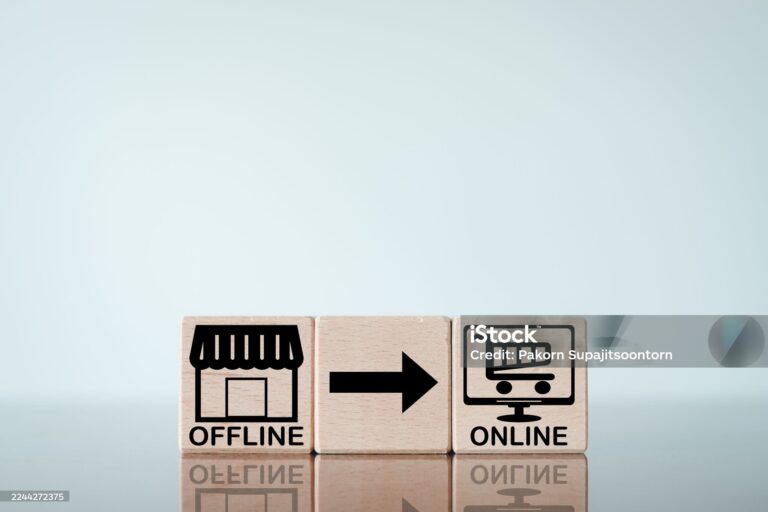
What fascinates me most is how online and offline shopping are merging. Omnichannel is no longer a fancy buzzword—it’s the norm.
I love being able to browse online, add items to my cart, and pick them up in-store the same day. Or scan products in-store and see reviews instantly. Retailers are making the shopping experience seamless, whether I’m on a website, an app, or walking through a physical store.
Click-and-collect, curbside pickup, smart fitting rooms, and IoT-enabled stores are redefining what “going shopping” means. It’s no longer about choosing online or offline—it’s about blending both.
6. Consumer Behavior Trends in 2026
Consumers in 2026 are a whole new breed—and I definitely include myself in this.
Demand for Instant Gratification
People want fast delivery. Not tomorrow. Not later today. Right now. Same-day delivery is becoming common, especially in urban areas.
Preference for Personalization
We like when brands “get” us. Whether it’s personalized recommendations or tailored homepage layouts, shoppers expect experiences designed just for them.
Rise of Subscription Models
From groceries to grooming products, subscription ecommerce is booming. I subscribe to a few things myself—it’s convenient and saves me time.
Focus on Trust
As online shopping grows, so does concern about privacy and data. Shoppers want transparency and brands that protect their information.
7. Challenges Facing Ecommerce in 2026
Of course, it’s not all smooth sailing.
Rising Logistics Costs
Even with automation, delivery costs are going up. Fuel prices, labor shortages, and supply chain pressures continue to challenge retailers.
Competition and Market Saturation
Everyone is selling online now. Standing out is harder than ever, especially for small businesses.
Data Privacy and Regulations
Governments are cracking down on data privacy. While this is good for consumers, it means brands need to adapt quickly.
Cybersecurity Threats
With more transactions happening online, the risk of fraud increases. Retailers have to invest heavily in security.
8. How Businesses Can Prepare for 2026
If I had to give businesses advice for 2026, here’s what I’d say:
Invest in Technology
AI, AR, automation—these aren’t optional anymore. They’re essential for staying competitive.
Optimize for Mobile
If your store isn’t mobile-first, you’re already behind.
Embrace Social Commerce
Build a presence where your customers spend their time—on social platforms.
Focus on Customer Experience
Make shopping easy, fast, and personalized. People remember experiences, not products.
Become Sustainable
Eco-friendly practices aren’t just good for the planet—they attract loyal customers.
9. Conclusion
As I look ahead to the future of ecommerce and online shopping in 2026, one thing is clear: we are entering a new era. Technology is transforming the way we shop, interact with brands, and make decisions. Ecommerce is becoming faster, smarter, greener, and far more immersive.
The brands that embrace innovation, value their customers, and adapt quickly will thrive. The ones that don’t? They’ll be left behind.
For shoppers like me, the future looks exciting—and honestly, I can’t wait to see what’s next.