
1. Introduction to How Virtual Stores Are Changing Shopping
When I first heard the term virtual store, I honestly thought it was just another buzzword for online shopping. But the deeper I looked into it, the more I realized that virtual stores are something entirely different—and much more powerful. They’re not just websites where you scroll and click; they’re immersive, interactive spaces designed to mimic (and often improve on) the real-life shopping experience.
In simple terms, virtual stores use advanced technologies like 3D visuals, augmented reality (AR), virtual reality (VR), and artificial intelligence (AI) to create a digital shopping environment where customers can explore products almost as if they were in a physical store. And this shift is exactly why How Virtual Stores Are Changing Shopping has become such an important conversation in ecommerce today.
2. Evolution from Traditional Retail to Virtual Shopping
Shopping has come a long way. I still remember when visiting a physical store was the only option—walking through aisles, talking to salespeople, and standing in long checkout lines. Then came traditional ecommerce websites, which made shopping faster and more convenient but also less personal.
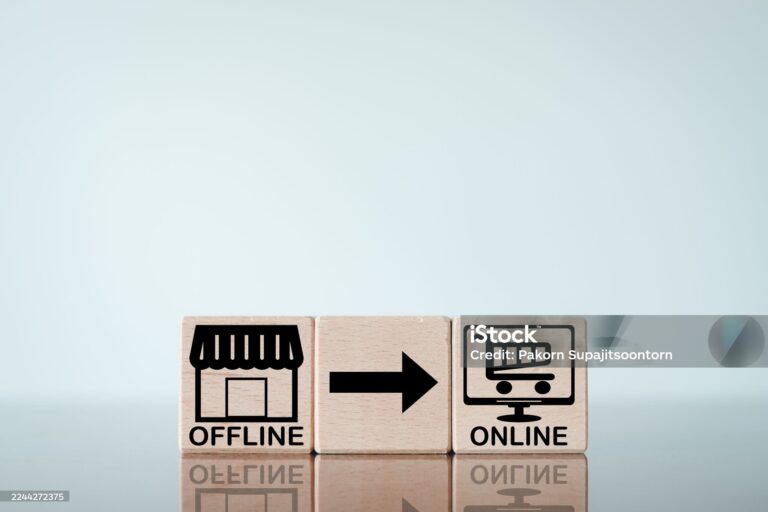
Virtual stores are the next step in this evolution. They bridge the gap between offline and online shopping by combining convenience with experience. Instead of flat product images and basic descriptions, shoppers now get interactive showrooms, 360-degree views, and even virtual assistants. This evolution shows clearly how virtual stores are changing shopping from a transaction-based activity into an experience-driven one.
3. Key Technologies Powering Virtual Stores
What makes virtual stores possible is the technology working behind the scenes. From what I’ve seen, a few key innovations are driving this change:
- Augmented Reality (AR): Allows customers to try products virtually, like placing furniture in their living room or trying on makeup.
- Virtual Reality (VR): Creates fully immersive digital stores that customers can explore using VR headsets.
- Artificial Intelligence (AI): Powers personalized recommendations, chatbots, and smart search features.
- 3D Product Visualization: Lets shoppers rotate, zoom, and inspect products in detail.
These technologies work together to create engaging shopping environments, and they play a major role in how virtual stores are changing shopping experiences worldwide.
4. How Virtual Stores Enhance Customer Experience
From a shopper’s perspective, virtual stores feel more engaging and enjoyable. I don’t feel rushed, and I don’t feel limited by store hours or location. I can explore products at my own pace, get instant recommendations, and even see how an item fits into my lifestyle before buying it.
Virtual stores enhance customer experience by offering:
- Immersive browsing instead of endless scrolling
- Personalized shopping journeys
- Interactive product demos
- Real-time assistance through AI chatbots
All of this makes shopping feel less like a chore and more like an experience—which is a huge reason why virtual stores are changing shopping behavior so rapidly.
5. Benefits of Virtual Stores for Businesses
It’s not just customers who benefit. Businesses gain a lot from virtual stores too. From what I’ve observed, brands using virtual shopping experiences often see higher engagement and better conversion rates.
Some major benefits include:
- Lower costs compared to physical retail spaces
- Global reach without geographical limitations
- Better data insights into customer behavior
- Stronger brand identity through unique digital experiences
By investing in virtual stores, businesses can stand out in crowded markets. This is another clear example of how virtual stores are changing shopping not only for customers but for brands as well.
6. Impact of Virtual Stores on Consumer Buying Behavior
One of the most interesting changes I’ve noticed is how virtual stores influence buying decisions. When customers can see, explore, and interact with products more realistically, they feel more confident about their purchases.
This leads to:
- Reduced hesitation before buying
- Fewer product returns
- Increased trust in brands
- Higher customer satisfaction
Virtual stores encourage informed decision-making, which is a big shift from impulse-driven online shopping. This behavioral change highlights how virtual stores are changing shopping habits in a meaningful way.
7. Virtual Stores vs Traditional Ecommerce Websites
Traditional ecommerce websites still work, but they’re starting to feel limited. Flat images and long descriptions can only do so much. Virtual stores, on the other hand, focus on experience and interaction.
Here’s how they compare:
- Traditional Ecommerce: Functional, fast, but often impersonal
- Virtual Stores: Interactive, immersive, and engaging
In my opinion, virtual stores don’t replace traditional ecommerce they enhance it. They give customers more reasons to stay longer, explore more, and connect emotionally with brands. That’s a major reason how virtual stores are changing shopping so effectively.
8. Real-World Examples of Virtual Shopping Experiences
We’re already seeing virtual stores in action across different industries:
- Fashion brands offering virtual try-ons
- Furniture retailers providing 3D room previews
- Beauty brands using AR for makeup testing
- Metaverse platforms hosting virtual malls and showrooms
These real-world examples prove that virtual stores aren’t just experimental they’re practical, profitable, and increasingly popular. And they perfectly demonstrate how virtual stores are changing shopping across sectors.
9. Challenges and Limitations of Virtual Stores
Of course, virtual stores aren’t perfect. From my perspective, there are still a few challenges that businesses and consumers face:
- High development and technology costs
- Need for strong internet connections and modern devices
- Learning curve for less tech-savvy users
- Data privacy and security concerns
Despite these limitations, technology continues to improve, and many of these challenges are already being addressed. Over time, these barriers will likely shrink as adoption grows.
10. Future of Virtual Stores in Ecommerce
Looking ahead, the future of virtual stores feels incredibly promising. I believe we’ll see deeper integration with social media, AI-powered shopping assistants, and even more immersive metaverse experiences.
Trends that will shape the future include:
- Voice-enabled shopping
- Fully interactive digital malls
- Hyper-personalized shopping journeys
- Seamless integration between physical and virtual stores
All signs point to one thing: how virtual stores are changing shopping today is just the beginning of a much bigger transformation.
11. Conclusion: Are Virtual Stores the Future of Shopping?
So, are virtual stores the future of shopping? From everything I’ve seen and experienced, the answer is yes—at least in some form. They offer the convenience of online shopping combined with the engagement of physical stores, creating the best of both worlds.
How Virtual Stores Are Changing Shopping isn’t just a trend-driven topic—it’s a reflection of how consumers and businesses are adapting to a more digital, immersive future. While traditional shopping methods won’t disappear overnight, virtual stores are clearly shaping what the next generation of shopping will look like.
And honestly, as a shopper myself, I’m excited to be part of that change.