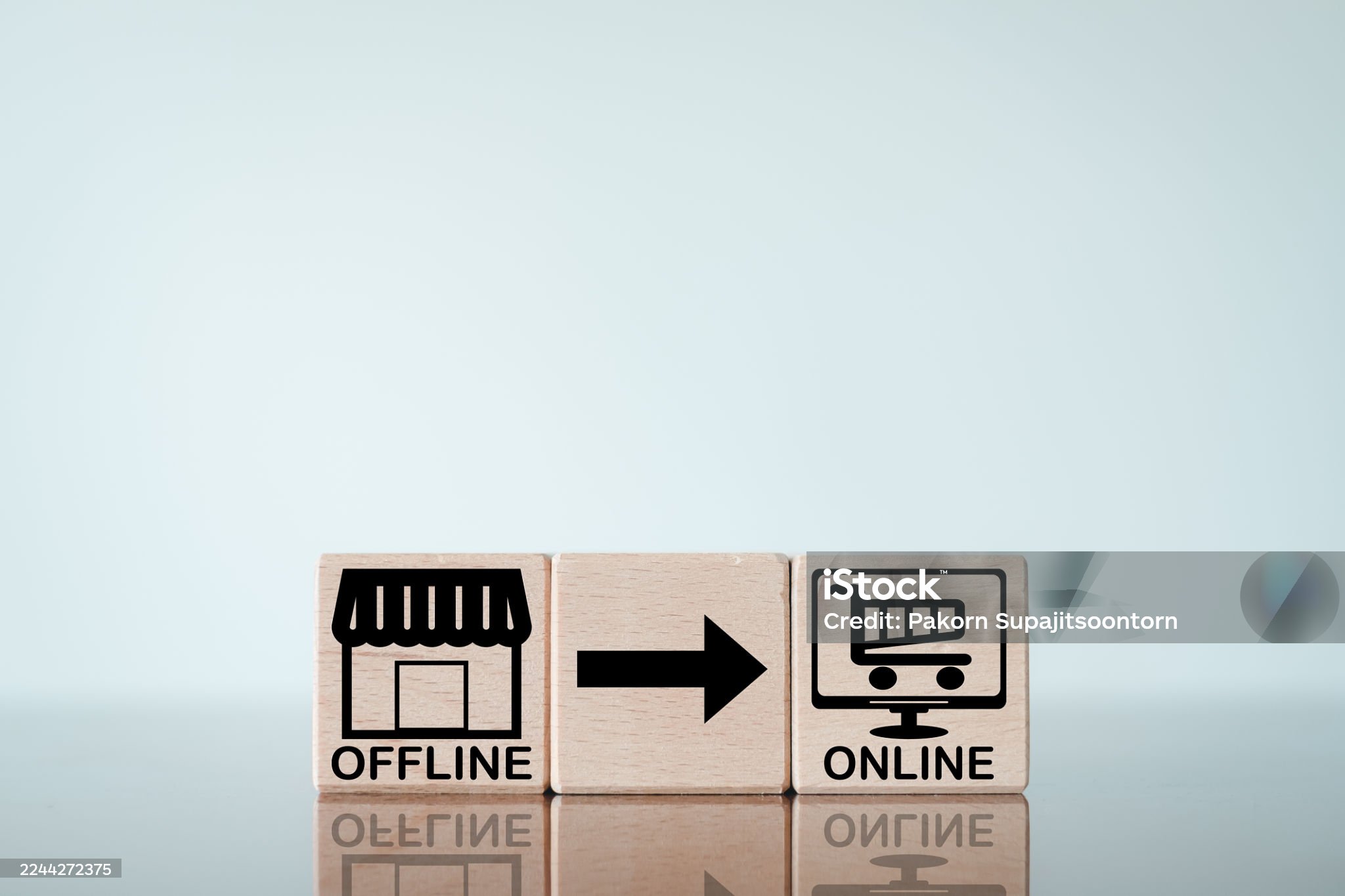
When I think about the difference between online and offline shopping in 2026, I can’t help but realize how much the shopping world has changed. A few years back, the debate was simple—online shopping was convenient, offline shopping was trustworthy. But today? The lines are blurred, technology is smarter, and both worlds have evolved in ways I never expected.
In this article, I’m breaking down the difference between online and offline shopping in 2026 based on my own experience, along with some trends we’re all seeing around us. Let’s jump in!
1. Convenience: Online Still Wins, But Offline Is Catching Up
If there’s one thing I’ve always loved about online shopping, it’s the convenience. Sitting on my couch in pajamas, scrolling through thousands of products, ordering with one tap—it still feels unbeatable. In 2026, that convenience has only gotten better. One-hour deliveries, AI-powered product suggestions, and scheduled drops make everything feel almost too easy.
But interestingly, offline shopping is trying its best to keep up. Many stores now have:
- Scan-and-go systems
- Mobile-based checkout
- Drive-up pickups
- 24/7 automated mini-stores
So while online wins for convenience, I’ve noticed that physical stores have definitely stepped up their game. You no longer have to waste 30 minutes in checkout lines. This shift is one of the biggest differences between online and offline shopping in 2026 today.
2. Experience: Offline Shopping Got Way More Fun
One of the biggest differences between online and offline shopping in 2026 is the experience. Offline stores have realized they need to offer more than just products—they need to offer vibes.
When I walk into stores now, I’m often greeted by:
- Smart mirrors that let me see outfits in different styles
- Interactive demo zones for gadgets
- Mini cafés and lounge areas
- Personalized recommendations from AI-assisted staff
It almost feels like an outing rather than a task. Online shopping may be quick, but it doesn’t give me the same sensory fun or excitement that an in-store visit offers. And honestly? Sometimes I enjoy being out, trying things, and getting real-time opinions instead of staring at a screen.
3. Technology: Online Shopping Gets Smarter Every Year
If there’s one area where online completely dominates, it’s technology. The difference between online and offline shopping in 2026 becomes super obvious here.
In 2026, online shopping feels like having a personal assistant who knows me better than I know myself. I get:
- Hyper-personalized recommendations
- AR and VR try-ons
- Voice-enabled shopping
- AI comparing deals automatically
- Saved preferences for size, style, and budget
Offline stores use technology too—like smart fitting rooms and AI support—but online is still miles ahead. The sheer customization online offers is something offline stores can’t fully replicate.
4. Touch & Feel: Offline Still Has the Upper Hand
No matter what year it is or how advanced virtual try-ons become, I still can’t feel a fabric online. I can’t sit on a sofa to check comfort. I can’t hear a speaker’s real sound quality. And that’s where offline wins.
The tactile aspect is still one of the biggest differences between online and offline shopping.
When I need to make a big purchase—like furniture, tech gadgets, or expensive clothing—I almost always prefer visiting a physical store. Being able to touch, test, and inspect something in person makes a world of difference.
5. Price & Deals: Online Is Usually Cheaper, But Not Always
I used to think online shopping always offered the best deals, but in 2026, things aren’t so one-sided. Yes, online platforms still offer:
- Frequent discounts
- Flash sales
- App-exclusive offers
- Coupon stacking
- Membership deals
But offline stores have started matching online prices to stay competitive. Many offer:
- In-store loyalty points
- Bulk-buying discounts
- Instant cashback
- Price-matching guarantees
So while online is usually cheaper, I’ve scored some surprisingly great deals offline too. That’s another interesting difference between online and offline shopping in today’s retail landscape.
6. Delivery & Returns: Fast but Sometimes Annoying
I love fast delivery—who doesn’t? In 2026, delivery systems have become super fast thanks to drones, automated vehicles, and smart distribution centers. But even with all that convenience, returns can sometimes be annoying.
Yes, many platforms now offer:
- Doorstep return pickups
- Instant refunds
- Label-free returns
But packing an item back into a box, waiting for pickup, or worrying about the condition can still be a bit of a hassle.
On the other hand, offline returns are the easiest. I just walk into the store, hand over the item, and the refund is processed. No labels. No boxes. No waiting. When it comes to returns, offline still takes the win.
7. Instant Gratification: Offline Still Feels Good
There’s something magical about walking into a store, buying something, and walking out with it in your hands. No tracking number. No waiting. No worrying about delays.
Sometimes, I want a product right now—like a phone charger, a gift, or stationery. In those moments, offline shopping feels like a blessing. That immediate satisfaction is one of the biggest differences between online and offline shopping in 2026 that even technology can’t erase.
Online tries to compete with rapid delivery options, but “one hour delivery” still isn’t the same as “right now.”
8. Social Element: Shopping as an Activity
Shopping isn’t always about buying stuff; it’s also about hanging out. A shopping day with friends or family is still one of my favorite weekend activities.
Offline shopping gives me:
- Social interaction
- Opinions from friends
- Shared experiences
- Random discoveries
Online tries to mimic this with:
- Live shopping streams
- Review communities
- Virtual shopping experiences
But honestly, it’s not the same. Offline shopping is still a social activity, and that social factor really sets the difference between online and offline shopping in 2026 apart.
9. Product Variety: Online Is Limitless
If I want variety, I always go online. Physical stores simply can’t match the endless catalogs that online platforms offer. Online shopping gives me:
- International brands
- Rare products
- Niche items
- Custom-made orders
- Multiple sellers for the same product
Offline stores are limited by shelves and storage space. Online feels like a giant universe of possibilities where I can find literally anything.
10. Trust Factor: Offline Feels Safer, Online Feels Smarter
Many people still trust offline stores more because they can physically inspect products and get instant receipts and warranties. I get that—being able to see exactly what I’m paying for is reassuring.
But online trust has improved massively in 2026. We now have:
- Verified sellers
- AI fraud detection
- Biometric payment security
- Clear return policies
- Transparent customer reviews
So while offline feels safe in a traditional sense, online feels smart and efficient. It depends on what kind of trust you value more.
11. Sustainability: Offline Stores Are Becoming Greener
Surprisingly, offline shopping has become more sustainable. Many stores are minimizing packaging, using eco-friendly materials, and supporting local sourcing.
Online platforms, despite improvements, still struggle with:
- Excessive packaging
- Carbon emissions from deliveries
- Waste from returned items
Offline stores have found ways to reduce their carbon footprint, making them a greener option in many cases. This is another notable difference between online and offline shopping in 2026—something that matters more to shoppers today.
12. Which Should You Choose in 2026?
So after exploring all these points, what’s the real difference between online and offline shopping in 2026—and which one should you choose?
Choose Online Shopping if you want:
- Convenience
- Large variety
- Deals and discounts
- Faster comparisons
- Personalized suggestions
Choose Offline Shopping if you want:
- Instant purchases
- Physical experience
- Easy returns
- Social interaction
- Trustworthy inspections
In 2026, I honestly don’t think it’s about choosing one over the other. I use both depending on what I need, how quickly I need it, and whether I want the experience or just the product.
The real beauty of shopping today is that both online and offline worlds have evolved—and when we use them together, we get the best of both